
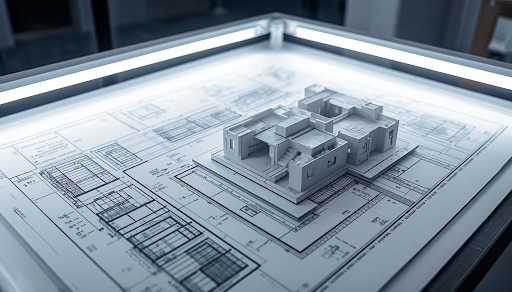

Today, managing project information is just as important as executing the construction itself. Documentation allows us to plan and design each step in the process of construction so that the whole project can be successfully implemented. It serves as an instrument that guarantees transparency, accuracy, and coherence at all stages of the process from planning and designing to the final delivery.
With the increasing multidimensionality and informatization of construction projects, the need for efficient documentation systems becomes especially evident. Properly organized construction documents allow us to control the costs, the time needed, and the quality of the project, making sure we comply with the existing legislation.
In the following blog post, we will consider the concept of construction documentation, its kinds, and the significance of documentation management for the successful completion of a construction project.
What Is Construction Documentation? (Definition & Overview)

Construction documentation is a general term for all written, pictorial, and electronic descriptions and instructions on how a construction process shall be done from planning through completion. This document gives step-by-step guidelines in designing, planning, and completing construction projects.
Documentation acts as an interface for both planning and implementation. It ensures that everyone involved in planning and implementing the construction work uses the same and correct data. Without proper documentation, projects can face problems like design conflicts, cost overruns, etc.
Key Purpose of Construction Documentation
Key aims of construction documents are clarity, consistency, and correctness throughout the project's life cycle. Effective construction documents help to communicate design intentions and avoid any mistakes or confusion while implementing the project. Construction documents are essential for better communication among parties and guaranteeing that all involved individuals follow the same instructions and deadlines.
Apart from regulatory purposes, construction documents are needed for efficient project management and control. They provide data on any changes in a project and allow correct conclusions to be made about costs and timeframes.
Who Uses Construction Documents?
The construction documents are employed by several different parties who take part in the development process. They are the people who control the project goals, such as the project owners and the project developers; they are the designers who come up with the design plans; finally, they are engineers and consultants.
The contractors and subcontractors require the documents to implement the project on the construction site, and project managers and site supervisors require them to control and coordinate the entire process of implementation.
Core Components of Construction Documentation
There are various types of documentation that need to be done for a particular construction project. This is done so that information about the entire project can be organized in an efficient manner. Each type of documentation carries out its own distinct purpose, which is useful for the entire process of designing, building, coordinating, and controlling a project.
Documents on Design and Architectural Plan
Documents on design and architectural plans consist of sketches, visual designs, 3D models, and CAD drawings showing the visualization of the project. These documents contain information on dimensions and specifications required for construction.
Technical Specifications
These are detailed guidelines on the quality of materials to be used and the technical requirements.
Contracts and Legal Documents
Contractual documents set out contractual obligations among parties involved in the construction process.
Permits and Approvals
Permits are regulatory documents which guide construction processes in accordance with safety and environmental regulations.
Construction Reports and Logs
Logs and reports on daily activities during the construction phase show actual performance.
Financial and Administrative Documents
Costs, budgeting, procurement, payments, and invoices are part of the financial management of projects.
Types of Construction Documentation Across the Project Lifecycle
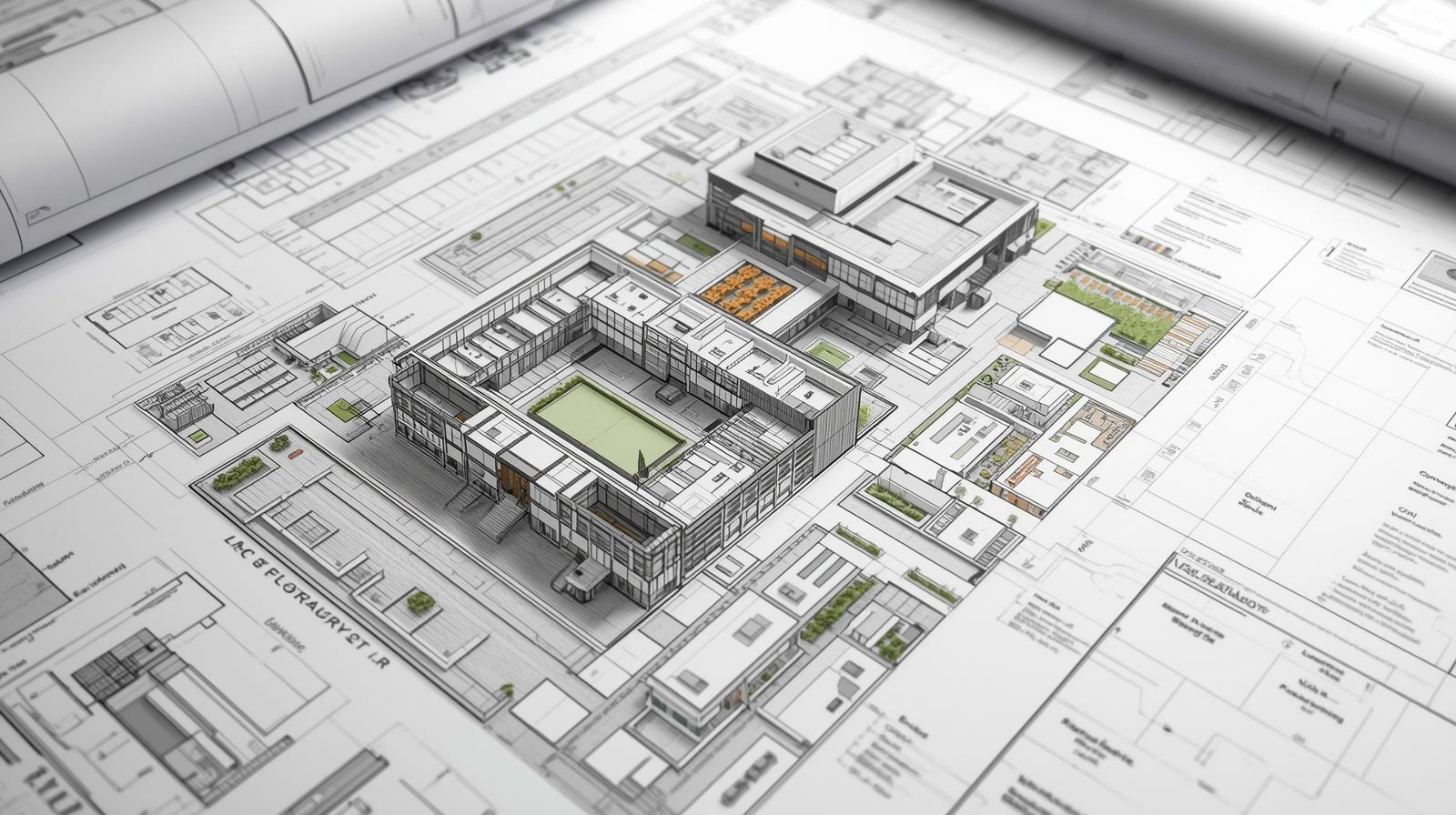
Documentation during the construction process will vary through the various phases. Every phase will involve a certain document that will aid in decision-making, implementation, and management of the entire project. Understanding such phases will assist one to be aware of which information should be available for which particular phase.
Pre-Construction Documentation
The documents included within pre-construction documentation will be primarily concerned with feasibility assessment and planning before any construction takes place. This type of documentation will involve such documents as feasibility reports, design briefs, Request for Information (RFI) documentation, and tendering documents.
Construction Phase Documentation
Documentation becomes important during the construction process when one is concerned about managing operations and monitoring the progress of projects. The project schedule, change orders, checklist for quality assurance, and inspection reports from the site become some of the most important documents to consider.
Post-Construction Documentation (Closeout)
Post-construction documentation refers to documents that are created after the completion of the construction project and plays a very important role in the transfer process and maintenance of the project. Post-construction documentation consists of as-built drawings, warranties, operation and maintenance manuals, and the project report.
Importance of Construction Documentation
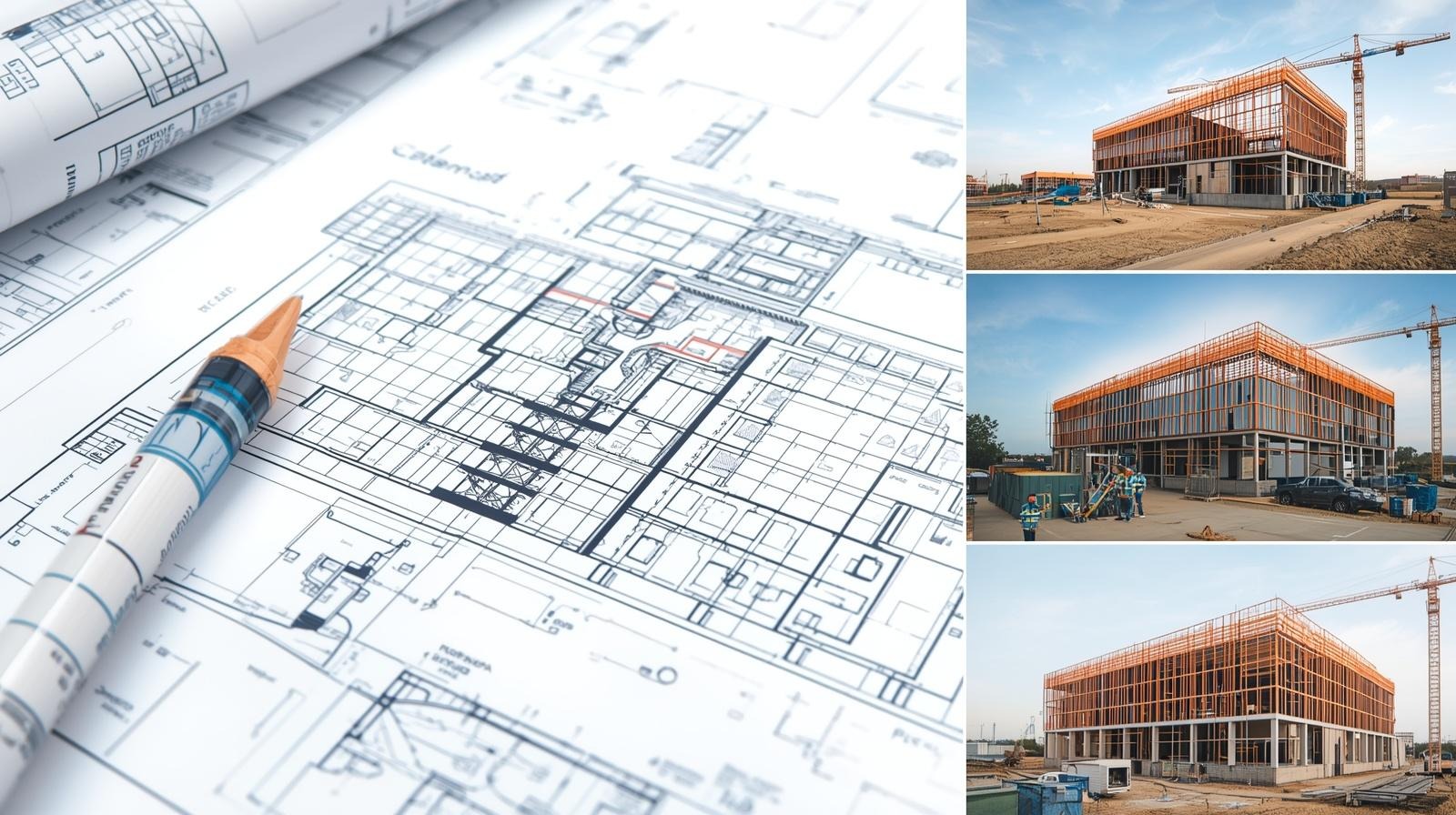
It is important to have proper documentation so that it ensures that there is accurate planning and success in any project carried out throughout the construction process. The documentation acts as a guide to the stakeholders involved from the time the project starts until the time it is completed.
Ensures Accuracy & Reduces Errors
It offers precise information about everything to be done and thus minimizes errors as well as misunderstandings.
Enhances Communication Between Teams
The construction documents help ensure effective communication between the different parties, such as engineers, contractors, architects, and project managers.
Supports Legal Protection & Compliance
Documentation helps provide the proof required when an audit, dispute, or inspection is done on the project.
Improves Cost, Time & Quality Control
It helps monitor costs, time, and quality, which in turn ensures success and completion of projects within expectations.
Role of Construction Documentation Management Software

With the increase in complexity, the modern building industry uses a range of innovative methods for managing documentation in order to process vast amounts of data. Construction document management software allows one to simplify processes, facilitating work and improving collaboration among all parties involved in the project.
Key Features to Look For
Some of the basic features that should be included in every good construction documentation management platform are secure storage, automatic versioning, mobile capabilities, pre-defined templates, and collaboration functions. All these elements contribute to accessing the correct information at any time and from anywhere.
How Software Improves Workflows
Thanks to digital technology, work processes can become much simpler and faster since digital systems automate routine operations, ensure instant information exchange, minimize paperwork, and improve coordination between employees.
Impact on Project Efficiency & Risk Reduction
In terms of project efficiency and risk minimization, the introduction of digital systems helps to make decisions quicker and avoid potential risks and mistakes, as well as improve consistency across teams.
Construction Documentation Checklist (Downloadable/Reference Style)
An adequate construction documentation checklist is important because it allows for capturing and organizing all relevant information regarding the construction process. Below is a phase-wise checklist for construction documentation purposes.
Pre-construction Checklist
The pre-construction documentation checklist contains key information before the commencement of construction. Some of the documents include:
- Feasibility study
- Design plans
- Project approval letters and permits
- Tender documents
Construction Phase Checklist
These are some of the documents that should be considered during the construction process:
- Daily activity reports from the site
- Progress reports
- Quality inspection and control reports
- Change order records
Closeout Documentation Checklist
This involves all documentation relating to the completion of the project. Some of the documents include:
- As-built plans after the construction process
- Warranties and guaranties
- Operations & Maintenance Manual
- Completion report
Conclusion
Construction documentation forms the basis for effective construction project delivery by ensuring all parties involved have access to accurate, consistent, and updated information throughout the whole process—from design to commissioning. Well-coordinated documentation not only helps mitigate risks and avoid duplication of effort but also streamlines communication, hence making it an integral part of modern-day BIM-led construction projects.
With modern-day construction becoming more multidisciplinary, implementation of digital documentation management in the field of construction cannot be ignored based on practical experience gathered in the industry. Techture is one of the best BIM service providers in the US & Canada and also provides construction documentation services as per your project's requirement.
FAQs
1. What is construction documentation in simple terms?
The term construction documents is a set of drawings, specifications, contracts, reports, and record that are created for the entire duration of the construction process. These help in planning, executing, and managing various tasks in order to have proper project information at hand.
2. Why is proper construction documentation important?
Construction documentation in projects is very important as it ensures accuracy, facilitates better communication between stakeholders, and complies with regulatory requirements. Good documentation will save money that would otherwise be lost because of any mistakes and ensure smooth execution of projects.
3. What are the main types of construction documents?
Construction documents include design drawings, technical specifications, construction contracts, construction permits, construction progress reports, and construction cost statements. Construction documents are very important for construction because they have distinct roles to play at each stage of the construction process even after the project is completed.
4. What is construction documentation management?
Construction documentation management is the process of organizing, storing, tracking, and controlling project documents in a structured manner. It ensures easy access to accurate information, maintains version control, and supports collaboration among teams, improving overall project efficiency and decision-making.
5. How does construction documentation software help?
Construction documentation software enhances project efficiency by automating repetitive tasks, enabling real-time updates, and providing centralized document access. Features like version control, cloud storage, and collaboration tools help reduce errors, improve coordination, and streamline workflows across all project stakeholders.

.jpg)
.jpg)