
.jpg)

Interior designing has moved from just drawing and mood boards to 3D rendering. 3D rendering today has become very important in the process of designing, where one can showcase their designs in a way that the client gets the actual idea of how the interior space would look.
It is through 3D rendering that precision, decision-making, and communicating become possible when one uses software like V-Ray, Lumion, and Corona. 3D rendering in the design process involves the application of computer graphics to create the desired results.
Today, 3D rendering has become very significant, especially in the fast-moving world of interior designing, where clients play a very important role.
Understanding 3D Rendering in Interior Design
In this section, we will seek a basic understanding of 3D Rendering in interior design.
Definition of 3D Rendering
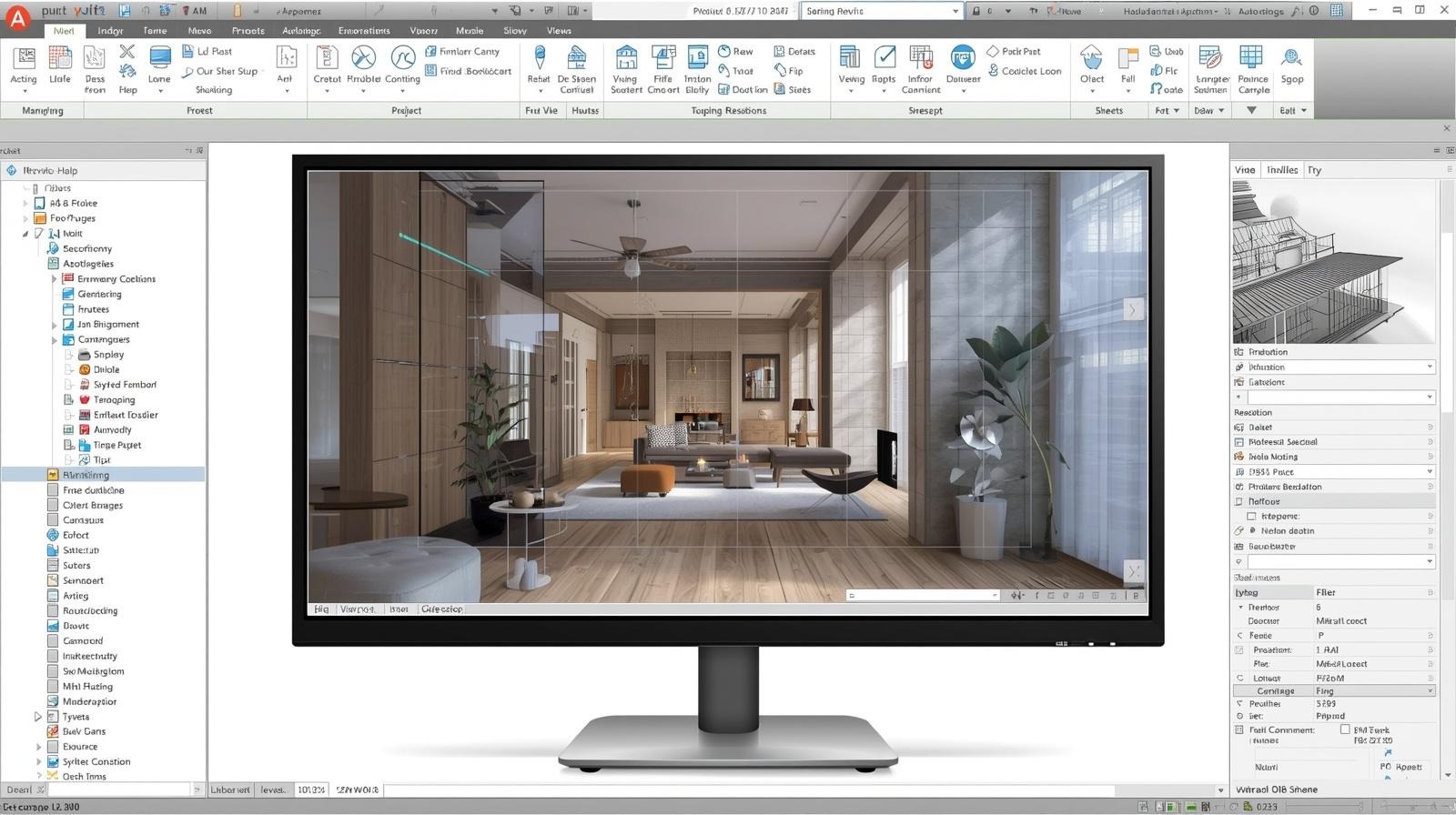
In interior design, 3D rendering is a technique used for creating realistic two-dimensional renderings and animation sequences from 3D computer graphics models. This procedure usually entails adding materials, textures, lights, and other environmental components to create a realistic image.
In most cases, 3D renderings start with a 3D design model created through modeling software such as SketchUp, Revit, and 3Ds Max. This design model comprises the shapes in which a three-dimensional interior will be built. Through algorithms, rendering software calculates the interactions of light with these surfaces and produces realistic images.
Most contemporary rendering software relies on physically-based renderers that provide materials that behave accurately according to their nature. This implies that light interacts with these surfaces as it would interact with objects made of those materials.
Why 3D Rendering Matters for Modern Interior Designers
3D rendering has become indispensable in contemporary interior design for several reasons:
- Improved Visualization
- Better Decision-Making
- Reduced Design Errors
- Enhanced Client Communication
- Competitive Advantage
Key Components of a High-Quality Interior Render
A successful interior render depends on multiple interconnected elements:
- Lighting.
- Textures
- Materials
- 3D Assets
- Composition
- Post-Processing
How 3D Rendering Transforms the Interior Design Workflow
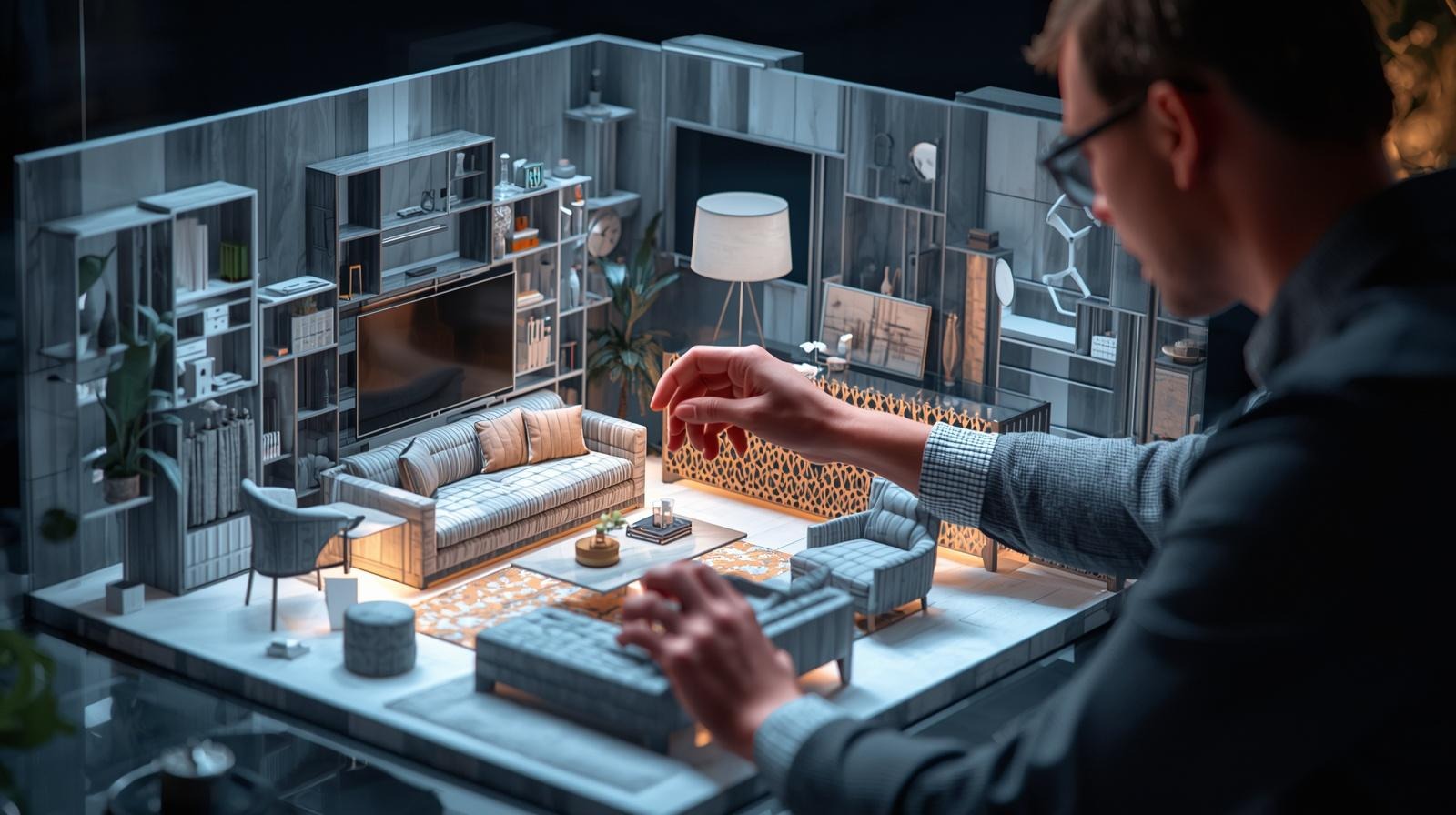
The process of 3D rendering has revolutionized interior design processes by bringing clarity, efficiency, and accuracy at each step of the process. Unlike other conventional ways of designing interiors that require heavy reliance on creativity and imagination, rendering allows designers to plan, evaluate, and improve their ideas in a very realistic digital medium.
From Moodboard to Final Render
The rendering process flow involves a sequence of steps to ensure the precision and clarity of the design:
1. Concept Creation: Mood boards and design themes are created.
2. 3D Modeling: Virtual modeling of the space is done.
3. Material Assignment: Materials and textures are added.
4. Lighting Simulation: Lighting is created.
5. Rendering: It’s sent to render engines.
6. Post-Processing: Finishing touches are added.
Helping Clients Visualize Before Execution
A common obstacle faced when creating an interior design is that of bringing imagination into reality. Customers find it difficult to visualize what is meant by the drawing or concept presented to them.
The use of 3D rendering helps solve this issue, as it allows customers to see what the place would look like in reality. They can visualize how the colors and textures will be put together, and therefore the design intention is clearer to them.
Enhancing Accuracy in Material & Lighting Planning
3D rendering is a technology that allows designers to accurately reproduce the conditions found in the real world. Designers can study the effect of various materials under the influence of light, experiment with color palettes, and even consider the layout of the room. For instance, the designer will be able to understand if there will be any reflections on a glossy surface or if a lamp gives enough lighting.
Overview of Popular Rendering Software for Interiors
Rendering applications are highly important for the quality and effectiveness of interior visualizations. Many different software programs can be used for this purpose, but V-Ray, Lumion, and Corona have proven to be popular because of their efficiency and performance. Let's see each one of them in detail.
V-Ray for Interior Rendering
It is one of the most popular rendering engines among architects and interior designers because of its ability to provide accuracy, flexibility, and high-quality images. Because of the accuracy and high-quality images provided by the program, it has become popular when designing realistic interiors.
Strengths of V-Ray
The most distinctive features of V-Ray that set it apart from other programmes include the following:
- Accurate physical light and shadow simulation
- Powerful material editor
- The possibility of creating complicated scenes and producing high-resolution images
- Compatibility with multiple modeling software
Why Designers Choose It
This program is best suited for designers who are looking for high levels of detail and realism in their projects, especially for high-end residential and commercial projects.
Lumion for Interior Rendering
Lumion is a real-time 3D visualization tool that is known for its fast rendering capability. This tool is extremely popular among interior designers because it is capable of producing results very quickly while maintaining a decent level of quality at the same time.
Strengths of Lumion
Lumion focuses on speed and ease of use:
- Real-time rendering capabilities
- Extensive library of objects and materials
- Fast rendering times
- User-friendly interface
Ideal Use Cases
Lumion is perfect for quick presentations, walkthroughs, and projects requiring rapid turnaround. It is especially useful during early design stages and client presentations.
Corona Renderer for Interiors
This renderer is famous for its simplicity and for providing realistic interior designs with little effort. Corona Renderer is thus very suitable for designers seeking to create good images effortlessly. This makes it very popular among designers of interior visualizations.
Strengths of Corona
The software features a combination of realism and ease of use:
- User-friendly interface
- Natural light rendering
- Low configuration needs
- Quality results without many technical adjustments
Ideal Use Cases
This software works well for users seeking real results without working on complex parameters. It is extensively used in residential interiors and visual art projects.
Choosing the Right Rendering Software for Your Design Style

While selecting 3D rendering software for interior design, the three main factors that have to be considered are speed, realism, and convenience. V-Ray is suitable when high-end photorealistic and realistic rendering is required, and detailed controls of the rendering are necessary. Lumion can offer great speed and quality in real-time visualization, while Corona Renderer offers great speed and realism in interior design renderings.
Moreover, another factor that should be considered when choosing the most appropriate 3D rendering software is the budget, as well as system requirements. While Lumion and V-Ray require expensive GPUs and advanced system configurations, Corona Renderer will function excellently even with an average computer. It is very important to know about these system requirements before starting any rendering process.
Finally, depending on the nature of a project, different 3D software could be used. In residential interior design projects, one usually needs to choose between V-Ray and Corona Renderers. V-Ray would be sufficient for commercial projects. When it comes to animations and walkthroughs, Lumion software would be preferable. When designing a quick interior concept, one can select both Lumion and Corona.
Key Techniques to Create Realistic Interior Renders
Mastering Lighting Techniques
The element of lighting is vital in rendering. The designers should take into account natural and artificial light source balance while ensuring that real shadows and reflections exist. It is possible to achieve better results through the use of techniques such as HDR lighting, global illumination, and adjusting light temperatures.
Using High-Quality Textures & Materials
Realism requires good textures. Designers should opt for physically based rendering (PBR) material, which realistically mimics real-world materials. Small details such as fabric weave, wood grain, and surface texture make the render more realistic.
Composition & Camera Angles
The composition is an important aspect of storytelling ( Context) . Appropriate camera positioning, focus distance, and framing may help to make the render more exciting and attractive. Designers need to ensure that the compositions are balanced and feature important design elements.
Post-Processing for Final Polish
Post-processing enhances the final output by adjusting color, contrast, and sharpness. Subtle effects like bloom, vignette, and depth of field can add realism without making the image look artificial.
Common Mistakes to Avoid in Interior Rendering
Though the 3D rendering in interior design offers the ability to create highly realistic images that look great, several common mistakes can considerably affect the end product. Such mistakes usually include inappropriate lighting, poor assets, and over-editing. Recognizing these flaws will help interior designers get more realistic renderings for their projects.
Overuse of Artificial Light
Too much artificial lighting could create a surreal image. Designers must be cautious to achieve balance.
Low-Quality Models & Textures
The use of poorly designed models or textures will affect the overall quality of the image. This is because good renders require good models and textures.
Incorrect Scale & Proportions
A mismatch in scales and dimensions distorts the appearance of the image, making it appear unreal.
Over-editing During Post-Processing
Over-editing affects the realism of renders and designers should avoid this mistake.
The Future of 3D Rendering in Interior Design
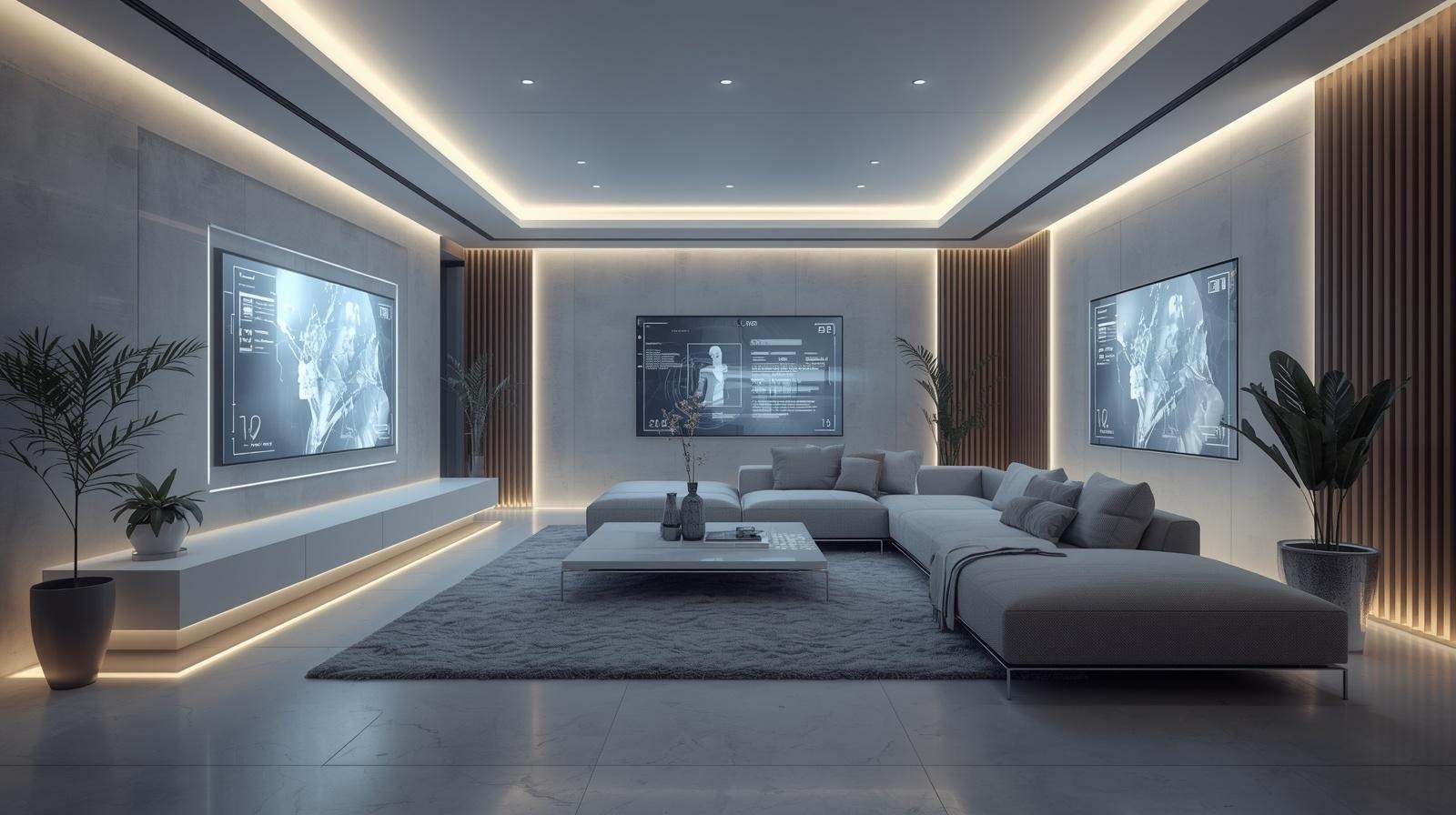
With the continuous advancement in technology, the process of 3D rendering in interior designing is becoming efficient, intelligent, and immersive. The recent technologies that are being introduced not only enhance the visuals but also revolutionize the way of interaction with models and presentation to clients. It can be stated that efficiency, precision, and user experience are the main concerns for the future of interior visualization.
Real-Time Rendering Advancements
Real-time rendering is changing the world of interior design because the designers can see an instant change once changes are made to their designs. In contrast to normal rendering, which takes some time to process, this technique offers instant responses from the designs and hence helps in making decisions fast.
AI-Assisted Design & Rendering
The growing significance of artificial intelligence in the field of 3D rendering cannot be denied. AI-based software can be used for automating various processes, improving images, and even helping designers come up with design ideas. AI can recommend the right materials for an image and lighting for a scene and can help generate better output using minimum human intervention.
Virtual Reality (VR) & Augmented Reality (AR)
There is great potential in both VR and AR for enhancing the presentation and experience of interior designs. Both technologies can enable the clients to explore the space either virtually or using the actual space as a canvas where the designs are seen. This provides the client with increased confidence about their decisions before implementing them.
Conclusion
3D rendering is now critical when it comes to achieving realistic visualizations in the fields of interior design and communication purposes and making correct decisions while designing. These renderings provide the ability to convey the idea correctly and allow clients to understand what needs to be done.
There are different programs used in interior rendering, such as V-Ray, Lumion, or Corona, which make it possible to obtain quality interior visualization depending on designer preferences regarding certain features of these programs.
With the development of new technologies, including real-time rendering, AI applications, and other immersive technologies, the future of interior visualization looks bright. Techture provides both BIM modeling services and interior rendering by utilizing various 3D rendering software tools.
FAQs
1. What is 3D rendering in interior design?
The 3D rendering process for interior design refers to the creation of realistic pictures or movies from a 3D interior design model. In 3D rendering for interior designs, the application of materials, lighting, textures, and furniture is used to depict how an interior design will appear.
2. Which rendering software is best for realistic interiors?
The best software for rendering varies according to individual requirements. However, it can be safely stated that V-Ray and Corona Renderer are quite famous for creating very realistic images of interiors. The former gives you greater control over your work, whereas the latter offers natural lighting effects.
3. Is 3D rendering necessary for interior designers?
Yes, 3D rendering is indeed one technique interior designers use today. It aids communication with their clients, minimizes errors during the design process, facilitates visualization of the space prior to implementation, and quickens approvals to ensure that the design comes out as desired.
4. How long does it take to render an interior space?
The time needed for 3D rendering will depend on how complex the scene is, its level of detail, and the software being used. Basic renderings can be done in a matter of minutes, especially when real-time software such as Lumion is being used, but more detailed renders may take several hours.
5. Can beginners learn 3D rendering easily?
Yes, beginners can learn 3D rendering with the right tools and practice. Software like Lumion and Corona Renderer is beginner-friendly and easier to understand. However, mastering advanced rendering techniques, lighting, and materials takes time, experience, and continuous learning.

.jpg)
.jpg)