
Introduction to Construction Design Stages
Every successful construction project, whether it is a building, house, warehouse, or a specialty Construction project, establishes its roots long before the construction starts. It is actually divided into parts and phases, and we often denote these phases as construction design stages. These stages ensure that every decision, from concept sketches to material choices, aligns with client goals, technical feasibility, and regulatory requirements.
In this article, we will understand the construction design stage in detail & discover how these stages help Different stakeholders (architects, engineers, contractors, and owners) collaborate effectively. Not only this, but we will also unleash the best practices, challenges, and solutions to make sure you understand these construction stages thoroughly and ensure the success of your project
What Are the Stages of Design in Construction?
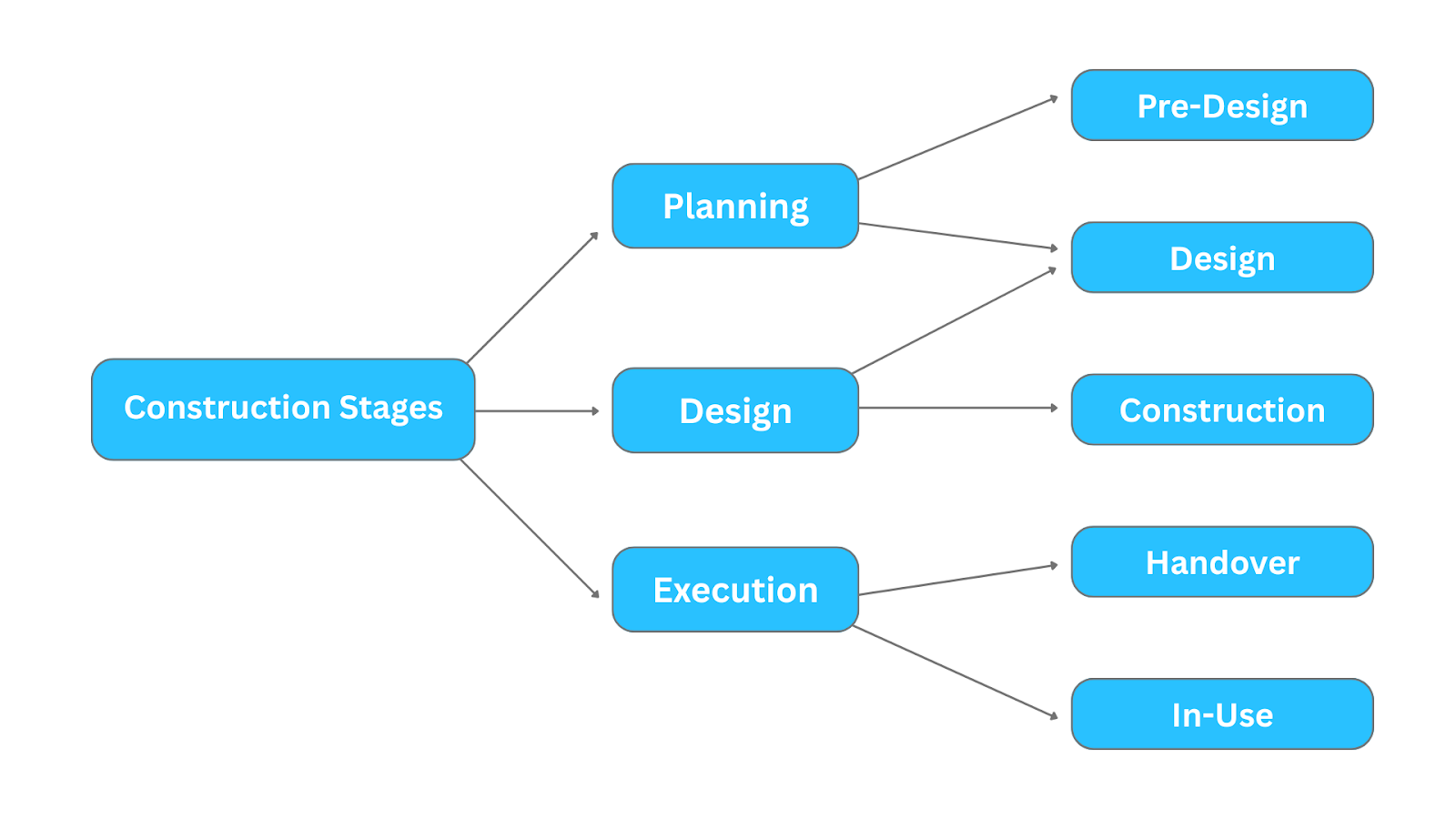
In the construction, the stages are defined in the three major segments planning, designing & execution, followed by their sub parts, essential to meet functional and aesthetic requirements. These stages represent a structured framework within the construction project lifecycle.guiding every design professional and construction manager through the design and construction process.
Step-by-Step Construction Design Process
Above, we listed the construction phases in the design process. Now, let's take deep dives into each phase of design step-wise and understand these stages & their milestones thoroughly with their deliverables and involvement of the stakeholders.
1. Concept Design
Establish the overall vision, style, and concept of the project.
- Stakeholder Involved: Owner &Architect
- Level of Development: LOD 100
2. Schematic Design
Develop spatial arrangements and system integration.
- Stakeholder Involved: Architects, Consultants, Engineers
- Level of Development: LOD 100
3. Design Development/Detail Design
Adds technical detail and coordination among every discipline.
- Stakeholder Involved: Architect, engineers, contractors, and suppliers.
- Level of Development: LOD 300
4. Construction Documentation
Detailed drawings & specifications for construction, produced during the construction documents phase.
- Stakeholder Involved: Contractors, subcontractors, inspectors, and construction teams.
- Level of Development: LOD 350-400
Each stage complements and builds on the previous one. This detailed process helps to coordinate and collaborate with every stakeholder for the success of the project, right from the concept to reality.
Concept Design Stage in Construction
This stage is the foundation of a successful project; the concept design is also known as the pre-design phase or feasibility, and marks the start of the initial design work. In this stage, the team defines the goals' feasibility and budget based on the owner/client's requirements and vision, gathering key project information and project requirements along the way. In this particular stage, the client and the architect work together to define and understand the project scope. After all the parameters are defined, the architects create a very basic conceptual design sketch to pitch and explore different design concepts with a Level of Development of 100.
Key Deliverables:
- Budget Estimate (approximation)
- Concept Sketches
- Feasibility Reports
Activities included in the concept design stage are:
- Site analysis & zone reviews
- Preparing cost plan
- Defining project scope & objectives
Schematic Design Stage in Architecture
After the concept design is approved by the clients/ owner, the architects can move into the next step/ stage of the project, known as the schematic design (SD) stage, where the rough sketch is optimized with the details to form a tangible layout.
In this stage, the architects refine the floor plan, orientation of the building, and initial input integration from the different disciplines (e.g., structural, MEP), and take the level of detail from 100 to 200. The schematic design stage is one of the most crucial steps to make significant changes after the client's review or feedback, because it's the easiest and least expensive stage.
Key Deliverables:
- Schematic Floor & Site Plans
- Exterior Elevations
- Update cost estimation based on the review & feedback
Activities included in the schematic design stage are:
- Refining the form and layout
- Develop a schematic-level integrating MEP structure elements
- Reviewing code compliance
Design Development Stage in Construction Projects
In the Design development phase, the schematic designs take a more accurate and detailed form so that they are technically precise. This stage contains LOD 300 details, where the architectural team collaborates with structural and MEP engineers to integrate their systems into the design more effectively.
In this particular stage, major materials and finishes are selected and become more detailed, showing specific dimensions, window and door types. The goal is to bridge creativity with precision before moving to the final documentation phase
Key Deliverables:
- Design drawings & 3D BIM models
- Updated Cost Estimate
- Detailed Floor & Elevations Plans
Activities included in the design development stage are:
- Finalizing materials
- Optimize architectural, structural & MEP components into a single model
- Integrating BIM coordination
Construction Documentation Stage
After the design development is approved, the model can proceed with the construction documentation stage, where the architect brings the model to the 350-400 Level of development (LOD) for technical documents. That can be further used as a blueprint to proceed with the construction on-site.
Key Deliverables:
- Comprehensive construction drawing
- Technical specifications
Activities included in the construction documentation stage are:
- Preparing construction drawings
- Finalizing specifications
- Coordinating with consultants for code compliance
Tendering and Bidding Stage
After we are all set with the construction documentation, we can proceed further with the tendering and bidding stage, where the clients/owners invite contractors to submit a proposal based on the construction drawings. This proposal consists of calculations like costs of labor, materials, and equipment. The client then reviews the submitted bids and selects the one that offers the best value and competence.
Construction Administration Stage
In this stage, as soon as the best proposal has been accepted by the client, the construction process starts, and now the architect oversees the project as the representative of the client during construction administration, so that the project meets specifications as per the construction drawing - right through to the punch list at the end.
Construction Design Stages Diagram and Timeline

In this section, we have listed the construction design stage and timeline to help you understand this process even better. This bifurcation will help you differentiate the estimated time required and the stakeholders involved in a particular stage.
The above duration may depend on the project complexity and type.
Importance of Following Architectural Design Stages
Following every step/stage will not only benefit you with better project clarity but also help you build your project with precision and sustainability. Here is the list of benefits for your project that help you create a useful project by following these steps.
- Improved cost & schedule accuracy: A change during the concept phase might cost less, but the same change during construction could cost in dollars. This will help you reduce costly reworks.
- Easier regulatory approvals: This process ensures that the design is reviewed for compliance with codes, zoning laws, and other regulations- a standard many design professionals, including AIA (American Institute of Architects) members, follow closely.
- Higher design & construction quality: The multiple reviews and refinements at different stages ensure the final design meets the best quality and overall functionality.
- Effective communication & Risk Reduction: The sustainable development of the project helps the stakeholders to communicate effectively and resolve the clashes in a systematic way
Common Challenges in the Construction Design Process
Despite the structured process, the construction design process faces some common challenges. Let's discuss these challenges one by one and discover how you can avoid them to ensure better and faster project delivery.
- Miscommunication: Miscommunication between disciplines, architects, and the client generally leads to Design flaws and rework
- Solution: Conducting regular meetings to ensure all the stakeholders are working on the same design intent and can resolve issues before proceeding to the next phase.
- Budget overruns: Scope creep, where the clients are adding on new features it is a common cause of budget overruns and delays.
- Solution: This can be easily avoided by establishing the project scope and budget before, and communicating effectively at the concept schematic design stage.
- Delays in approvals: Client decisions or permits from local authorities generally delay the project and affect the speed of project delivery
- Solution: Set clear deadlines and a schedule of project delivery to ensure the project is not hampered by the decision delay.
Best Practices for Managing Design Phases in Construction
- Align objectives and intent by involving all the stakeholders early.
- Use of BIM & 3D modeling to enhance visualization and coordination.
- Document every decision, change, and communication to ensure better traceability & accountability.
- Host regular meetings to resolve clashes and issues before they escalate.
Ensuring these steps will help enhance project accuracy, clarity, and control.
Real-World Applications of Building Design Stages
While the process remains the same, it serves different projects depending on the type, complexity, and use case.
- Residential Projects: In such projects, the focus is on design intent, aesthetics, and cost efficiency to help clients with better, faster, and cost-effective solutions.
- Commercial Projects: whereas in such projects, the main priority is functionality and regulatory compliance, because it may be for a single user or multiple users.
- Infrastructure Projects: In these projects, the main aim is to ensure technical detailing, safety, and lifecycle, as these projects encounter common people daily.
Construction Design Software and Tools
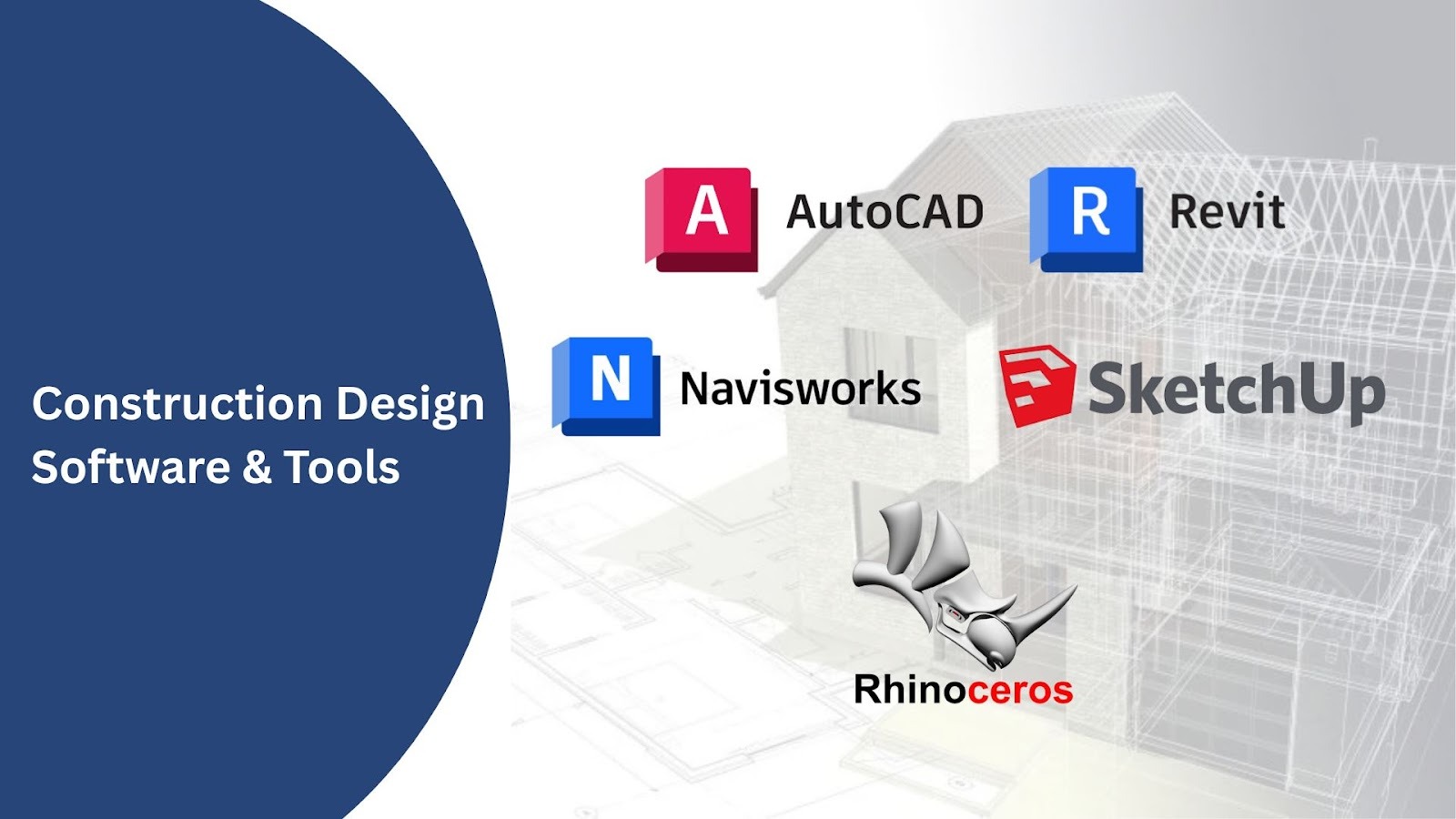
While you understand the process, it is equally important to know the recent and latest software and tools to ensure your projects are completed with accuracy and ease.
Here, we will be discussing the software and tools used for construction design and understanding their pros and cons.
Conclusion: From Concept Design to Construction Completion
So, in this article, we understood the stages and phases of the construction right from the concept design to construction completion. We came across different types of stages, stakeholders involved, and how they collaborate to deliver a successful project. We not only discussed the process but also understood its common challenges and best practices using the latest tools and software.
Whether you are designing your house, commercial building, or any other construction project, following a structured design process will help you achieve clarity, control, and success throughout the project lifecycle.