
.jpg)

Interior design has moved forward from aesthetic planning and furniture arrangement. Modern projects require accuracy, coordination of various disciplines, proper documentation, and effective project delivery. This is where BIM for interior design comes into play.
Building Information Modeling (BIM) brings about a paradigm shift in design by incorporating a data-centric approach to design. This enables interior designers to develop intelligent 3D models that embed geometry, material properties, specifications, quantities, and performance attributes. Unlike conventional design methods, BIM bridges the gap between design intent and construction execution.
From concept development to construction detailing, BIM brings about a radical shift in the visualization, documentation, coordination, and implementation of interior spaces. It enhances collaboration between architects, engineers, contractors, and owners and minimizes errors and improves decision-making during the project lifecycle.
What Is BIM and Why Does It Matter in Interior Design
Defining BIM in the Context of Interior Design
BIM is a procedure that integrates 3D modeling with structured project information to provide an intelligent digital model of a built environment. In interior design, this implies that all wall finishes, ceiling elements, furniture, lighting fixtures, and material specifications are now part of an integrated system rather than being stand-alone plans.
Conventional CAD systems use stand-alone 2D plans such as plans, elevations, and sections, which require manual updating. BIM, on the other hand, integrates all plans with a single coordinated model. When designers make changes to a layout or material specification, the changes are automatically updated.
For interior designers,
- Data-rich modeling rather than static drafting is possible.
- Real-time visualization of design changes is possible.
- Accurate documentation generation is possible.
- Coordination with architectural and MEP systems is improved.
The integrated system eliminates many inconsistencies that are common in traditional documentation systems.
Evolution of BIM in Interior Design
Initially created by structural engineers and architects, BIM was primarily used for large-scale building coordination. However, with the increasing complexity of interior spaces, particularly commercial offices, healthcare facilities, retail, and hospitality projects, there has been a subsequent expansion of BIM applications into interior design.
Currently, interiors require complex levels of coordination, including lighting schemes, HVAC systems, custom furniture, acoustic panels, and sustainable materials. The industry has seen an increase in the adoption of BIM technology due to the need for immersive visualizations and fabrication-ready data from clients and contractors, respectively. BIM has therefore evolved from a desirable technology to a necessary tool in the competitive world of interior design.
Key Benefits of Using BIM for Interior Design
1. Streamlined Documentation and Drawing Sets
One of the most significant benefits of BIM is the ability to automatically produce documentation. Interior designers are able to produce the following types of documentation:
- Floor plans
- Reflected ceiling plans
- Interior elevations
- Sections and details
- Finish schedules
- Furniture and equipment schedules
Since the drawings come from the same model, consistency is ensured throughout the entire set of documentation. The designer spends less time on manually updating revisions and more time on improving design quality.
2. Enhanced Visualisation and Client Communication
Clients have always found it difficult to understand 2D drawings. BIM provides a realistic 3D representation of the drawings, walkthroughs, and perspective views to overcome this problem.
Interior designers can create representations of space, lighting, textures, and finishes before the actual construction work takes place. This helps the clients understand the work better and faster. Changes can be viewed instantly, and decisions can be made with confidence.
3. Improved Accuracy and Coordination
Interior spaces need to integrate with architectural and MEP systems. Inconsistencies between ceiling layouts and ductwork or furniture placement and electrical plans are frequent causes of delays.
BIM allows clash resolution and coordination among disciplines, so that all elements interact smoothly. Issues identified early in the project prevent expensive rework during construction.
4. Cost and Time Efficiency
BIM improves the efficiency of projects in the following ways:
- Automated quantity take-offs for procurement
- Accurate material quantity estimation
- Faster revision management
- Minimized construction errors
Design teams can analyze alternatives quickly, optimize layouts, and have better control over budgets and schedules.
BIM Implementation Plan for Interior Projects
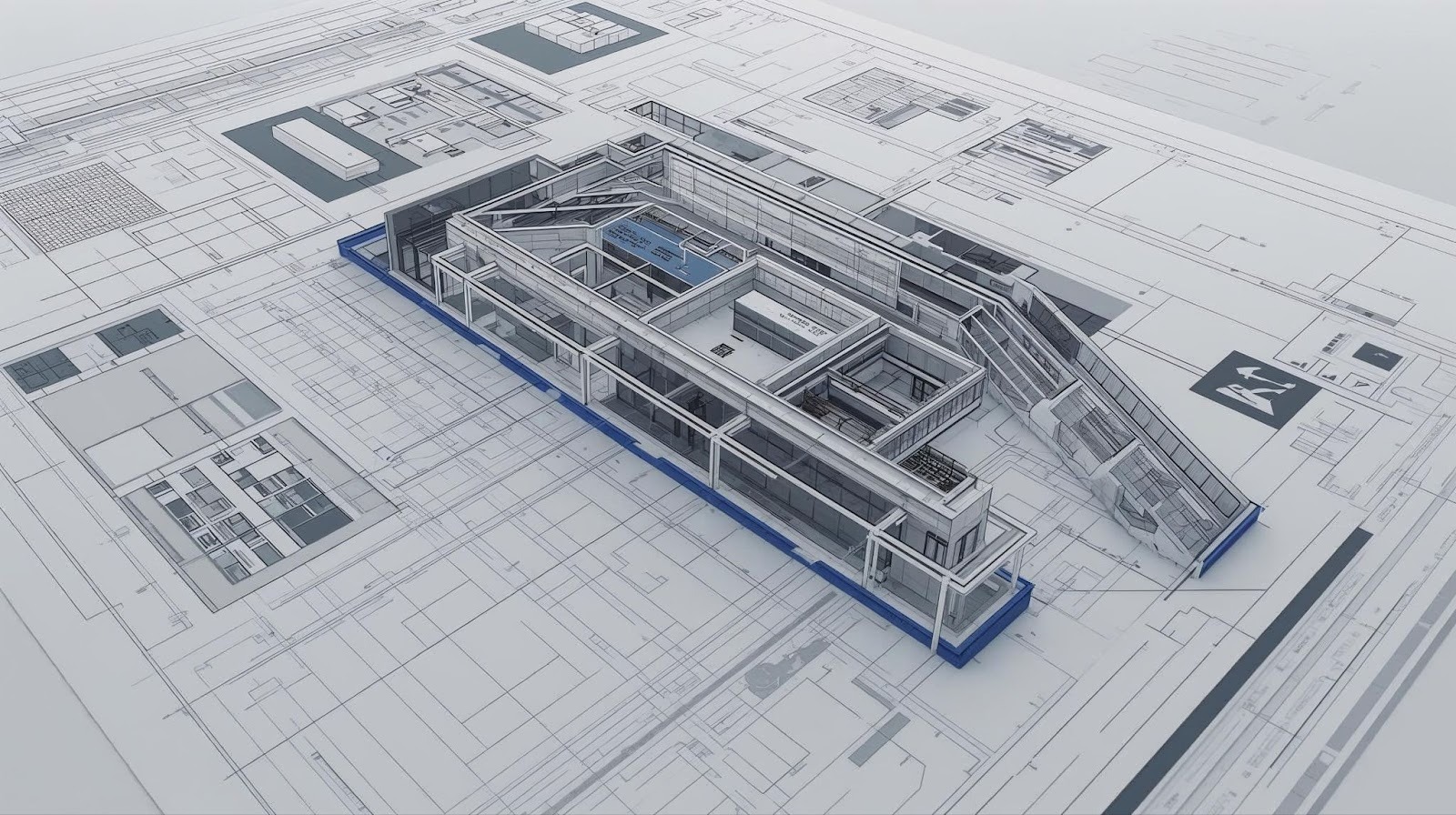
1. Setting BIM Goals and Objectives
Before embarking on the modeling exercise, it is important for interior designers to set objectives.
Some of these objectives may include
- Enhancing documentation accuracy
- Improving consultant coordination
- Creating fabrication drawings
- Facilitating facility management data
By setting these objectives, it is possible to utilize BIM in a deliberate manner as opposed to using it as a generic modeling tool.
2. Establishing BIM Execution Plan (BEP)
A BIM Execution Plan (BEP) is an “executive guide that outlines how project teams will collaborate and manage all project information throughout the project lifecycle.” It provides a detailed outline of the key elements that maintain smooth and coordinated collaboration. These elements include:
- Roles and responsibilities:
- Modeling standards and naming conventions
- Level of Detail (LOD) requirements
- File-sharing protocols
- Software platforms and interoperability standards
In this way, a clearly defined BEP is important in ensuring consistency among all project teams and avoiding any confusion or miscommunication in the process.
3. Collaboration Between Teams
In reality, interior designers usually do not work alone. Building Information Modeling (BIM) allows the creation of a common environment where architects, engineers, and contractors can view the models simultaneously. When modifications are carried out by one party, the changes can be viewed by the other parties, thus improving communication and minimizing misunderstandings. Cloud collaboration tools also improve the coordination of teams spread across different locations.
Common Challenges in BIM Implementation
However, despite the advantages, there are some challenges that may be encountered during the implementation process:
- Dealing with a high amount of data in a project
- Interoperability of software between different platforms
- Training personnel who are not conversant with BIM processes
- Adopting a standard approach
BIM Software for Interior Design
Popular BIM Tools Used by Interior Designers
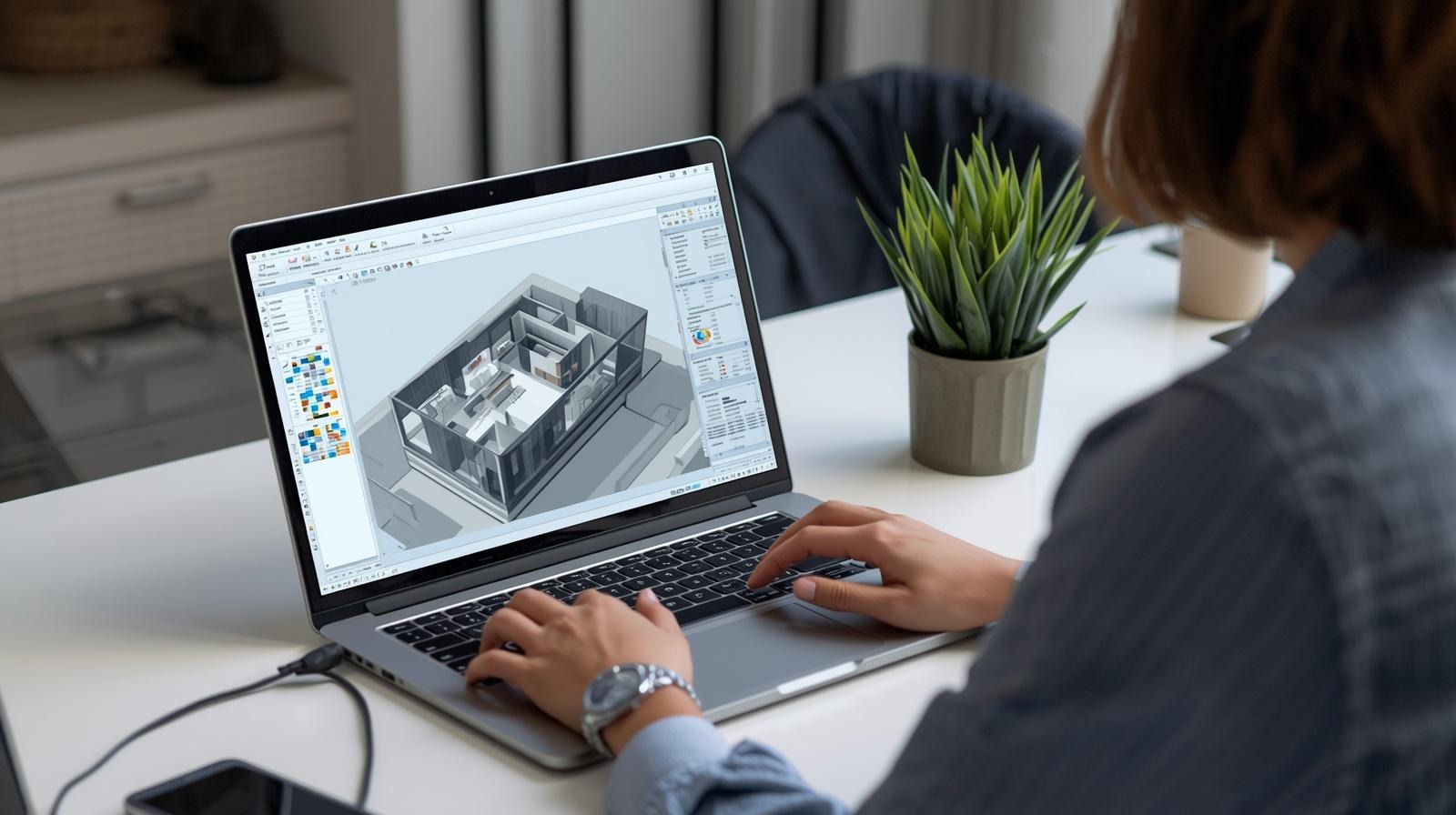
There are a number of tools that support interior design work using BIM. Some of the most popular tools include:
- Revit, developed by Autodesk, is one of the most popular tools for parametric modeling, documentation, and coordination.
- ArchiCAD, developed by Graphisoft, is popular for its ease of modeling and integration of interior and architectural design.
- Vectorworks, developed by Nemetschek Group, is a popular tool for interior designers for its creative and presentation-oriented features.
- SketchUp, developed by Trimble Inc., is popular for its conceptual modeling and is enhanced by BIM plugins.
Choosing the Right BIM Software
In making a selection of the appropriate BIM software for interior design, there are a number of factors that need to be considered. These include:
- The complexity of the project
- The level of detail (LOD) required
- The size of the team
- Compatibility with consultants’ software
- The level of visualization required
In addition, the size of the design studio may also be a consideration. Small design studios may require ease of use and high-quality visualization, while larger design studios may require coordination, interoperability, and high-quality documentation.
Detailing and Documentation Using BIM
Generating Detailed Drawings and Schedules
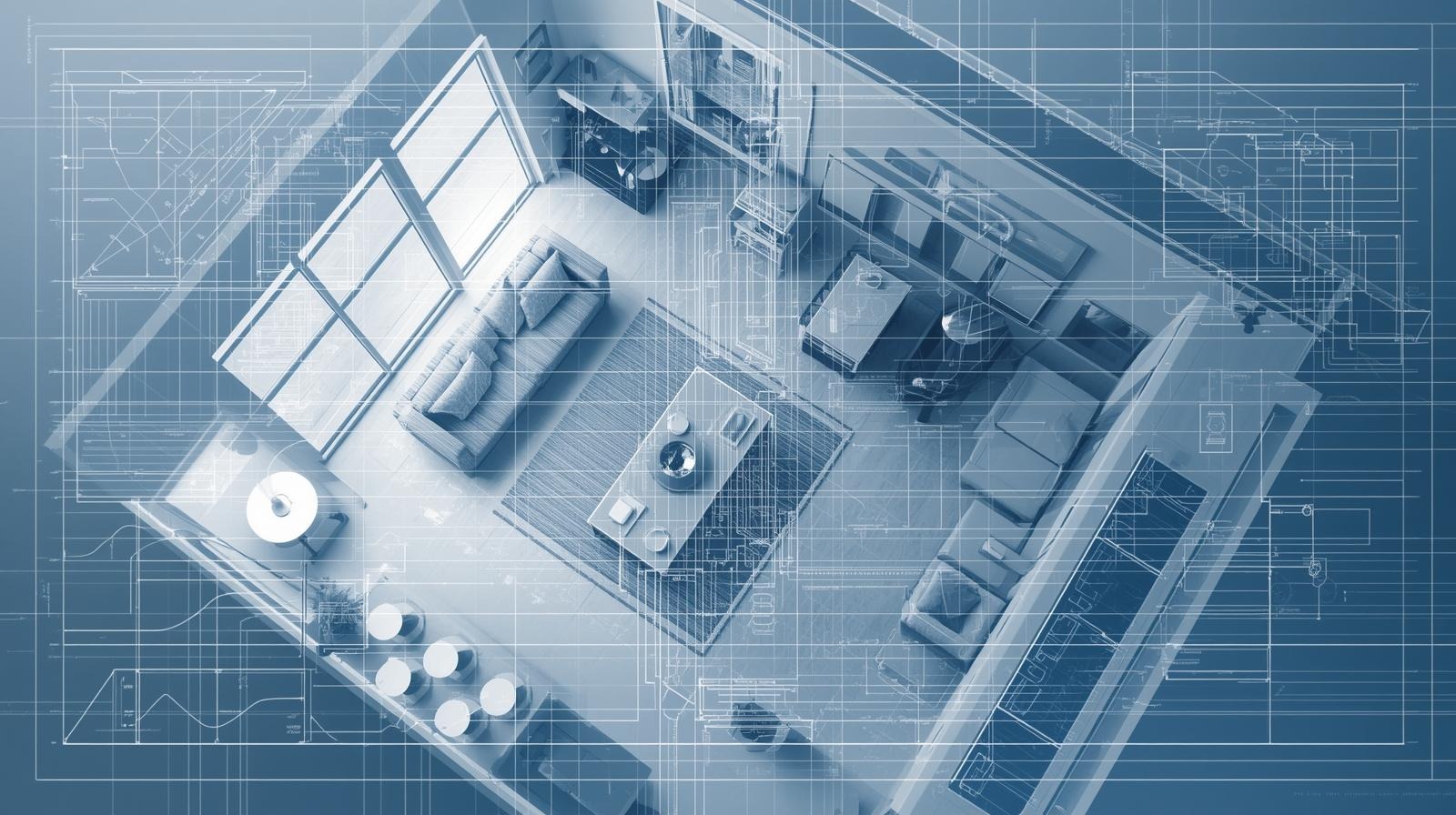
BIM enables the automatic production of detailed documentation directly from the model. Interior designers are able to produce the following:
- Furniture schedules
- Finish legends
- Lighting fixture lists
- Door and hardware schedules
Since the schedules are still connected to the model, changes will automatically be updated whenever changes are made to the design.
Material Libraries and Specification Integration
Material management can be made much more efficient by using BIM. Designers can integrate the following:
- Product data from the manufacturer
- Finish information
- Performance characteristics
- Sustainability data
Digital material libraries help ensure consistency and make specification writing easier. Designers can easily compare alternatives based on cost, performance, or sustainability.
Linking 3D Models to Construction Documents
In BIM, drawings are not files that can be accessed separately. They are views that are extracted from the model. This implies that:
- Changes in sections are automatically reflected when changes occur in layouts
- Quantity take-offs are accurate
- Construction documents are linked to design intent
The Future of BIM in Interior Design
1. Integration with VR, AR, and AI

New technologies are opening up new avenues for the use of BIM. Virtual reality and augmented reality allow clients to walk through interiors even before any construction work begins.
Artificial intelligence tools are now being used to assist with layout optimization, space planning, and material selection based on performance data. This is causing a paradigm shift in BIM from a purely documentation-based tool to a predictive design tool.
2. Sustainability and Lifecycle Desig
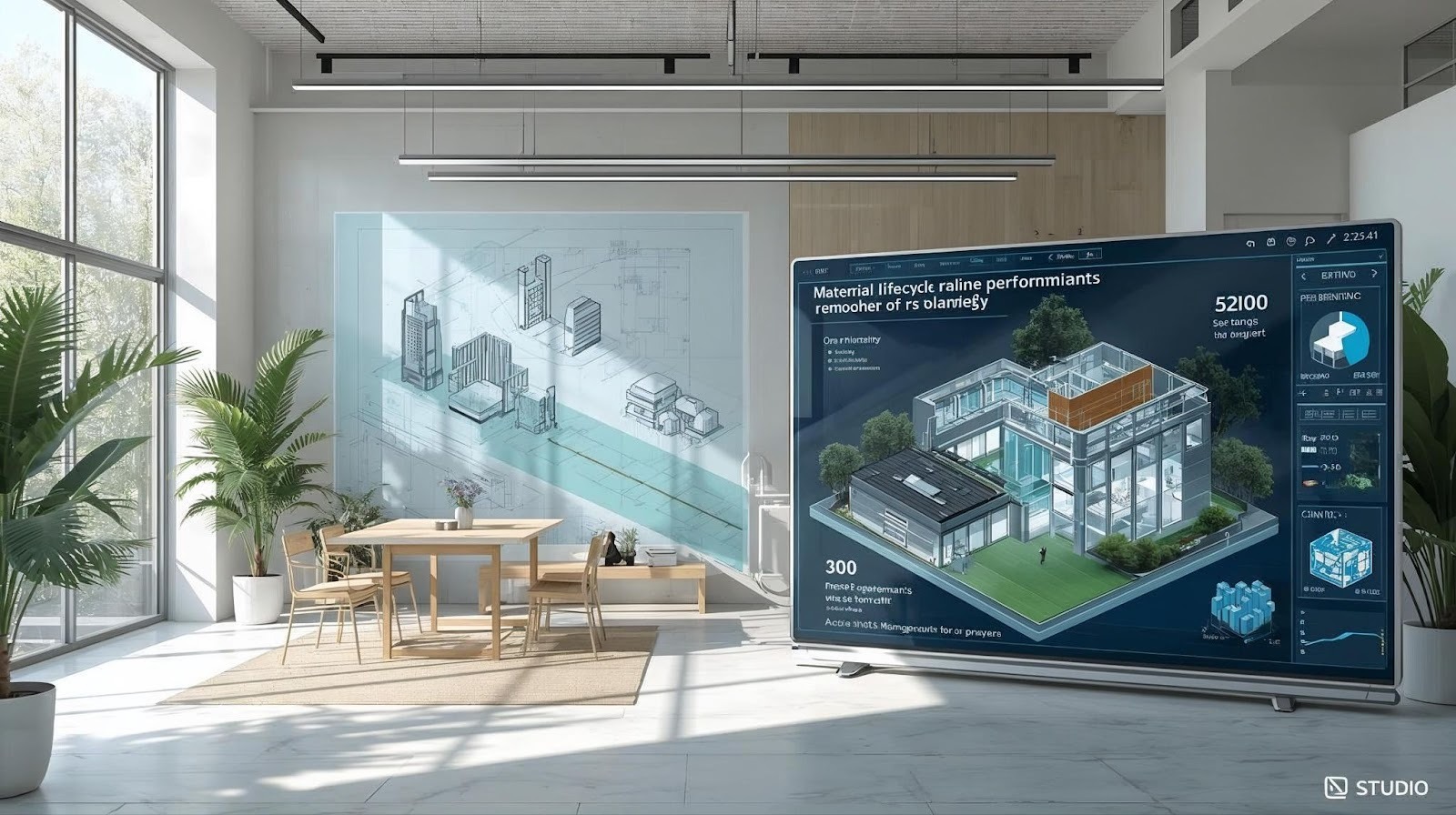
Sustainability is emerging as a new norm in interior design. BIM enables sustainable design by:
- Material lifecycle analysis
- Energy performance simulation
- Reduction of waste through accurate quantity take-off
- Integration of maintenance and facility management data
Interior models developed during the design phase can be used by the building owner during the operation and renovation stages.
Conclusion
BIM for interior design is a process that transforms traditional methods into intelligent, coordinated, and data-driven processes. BIM helps interior designers create efficient and well-coordinated interior spaces by improving the accuracy of documentation, visualization, and collaboration. The more complex the project, the more necessary it is to implement BIM, and Interior BIM Modeling and Documentation Services can make the process even smoother.
FAQs
1. How is BIM different from traditional CAD for interior designers?
The difference between BIM and traditional CAD for interior designers is that traditional CAD focuses on two-dimensional design, while BIM creates an intelligent three-dimensional design that contains data, materials, and specifications. This means that any change made to the design within BIM will be reflected on all other drawings and schedules.
2. What level of detailing can be achieved with BIM in interiors?
The level of detailing that BIM can offer for interior design is that it can be used to produce different levels of detailing, known as Levels of Detail (LOD). This means that interior design projects can be taken to LOD 300-400, which means that accurate documentation can be produced.
3. Which BIM software is best suited for interior design projects?
The best BIM software for interior design projects mainly depends on specific project requirements. Revit is best for coordination-intensive projects, ArchiCAD for its ease of use, whereas Vectorworks for its creative flexibility, and SketchUp for conceptual design and BIM plugins.
4. How can small design studios implement BIM effectively?
The best approach for small design firms to implement BIM for interior design projects is to start with pilot projects, set clear objectives, and use standardized templates, and then provide training for all team members. This will ensure that all team members understand how to use BIM for interior design projects.
5. Can BIM improve client presentations and approvals?
The answer to this question is that yes, BIM does improve client presentations and approvals, and this is because BIM can be used to produce accurate, precise and realistic presentations that allow clients to understand design and construction materials easily and efficiently.


.jpg)